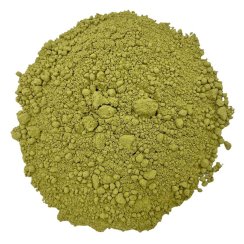

Huangshan Green Tea Powder | Huang Shan Lu Cha Fen - Option: 100 g
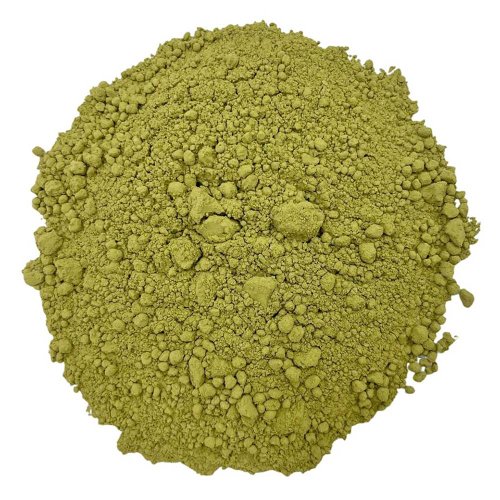
This powdered green tea comes from the Huangshan (黄山) region in Anhui province, an area long associated with the production of refined and elegant Chinese green teas. Unlike traditional Japanese matcha, this tea is not tied to a specific ritual or production style. It is, however, processed using steaming, which helps preserve the fresh green character of the leaf. The tea is then finely ground into powder, allowing the entire leaf to be consumed during preparation. More
This powdered green tea comes from the Huangshan (黄山) region in Anhui province, an area long associated with the production of refined and elegant Chinese green teas. Unlike traditional Japanese matcha, this tea is not tied to a specific ritual or production style. It is, however, processed using steaming, which helps preserve the fresh green character of the leaf. The tea is then finely ground into powder, allowing the entire leaf to be consumed during preparation.
Its flavor profile naturally differs from Japanese matcha. It is less dominated by umami or creamy notes, instead expressing a distinctly Chinese character – lightness, clarity, and gentle grassy tones, complemented by subtle sweetness and a soft nutty nuance. The resulting cup is fresh, easy to drink, and less heavy, making it suitable for regular everyday enjoyment.
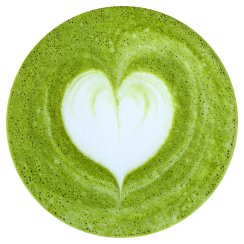
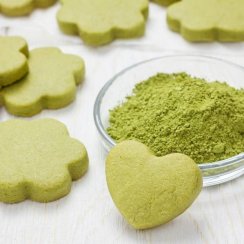
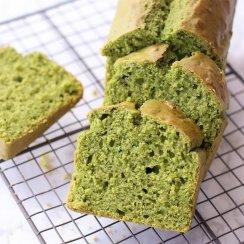
The powdered form allows for quick and simple preparation. The tea can be whisked in a bowl similar to matcha, mixed directly in a glass, or used as an ingredient in beverages and dishes. Thanks to its balanced character, it works well not only for direct consumption, but also in modern gastronomy – for example in smoothies, desserts, or milk-based drinks such as lattes. Due to its good solubility, easy dosing, and consistent flavor, it is also suitable for broader applications, including industrial use in the production of beverages, dairy products, and other foods.
Brewing:
Use approximately 1–2 g of tea per 150–200 ml of water at 70–80 °C and whisk or shake until smooth. Can also be prepared with cold water.
Note:
This is not matcha. The tea retains the character of Chinese green tea, presented in a finely powdered form.
| Form | powder tea |
|---|---|
| Country of origin | China |
| Province | Anhui |
| Location | Huangshan, Daguyun 大谷运村 |
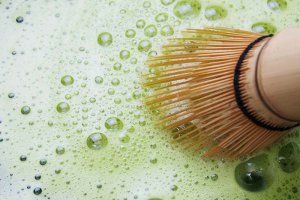
Powdered Tea in China – From Imperial Tea Cakes to a Forgotten Art
When we speak about powdered tea today, most of the world thinks of Japanese matcha. In reality, however, this is a tradition that has its roots in China—deep in history, reaching at least as far back as the Tang dynasty (618–907) and culminating during the Song dynasty (960–1279). What we now perceive as a distinctly Japanese culture was once a natural part of Chinese tea life. Powdered tea was neither an exception nor a specialty, but a common way of preparing and experiencing tea—as a beverage that does not separate from the leaf, but rather fully includes it.
Related products4
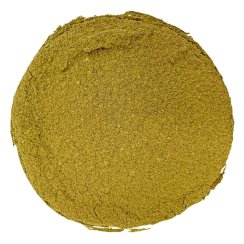
Huangshan Yellow Tea Powder | Huang Da Cha Fen
8,04 € excl. VAT
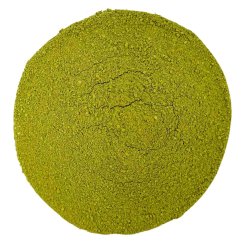
Anxi Oolong Powder | An Xi Tie Guan Yin Cha Fen
10,45 € excl. VAT
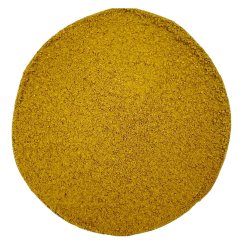
Yunnan Black Tea Powder | Dian Hong Cha Fen
10,45 € excl. VAT
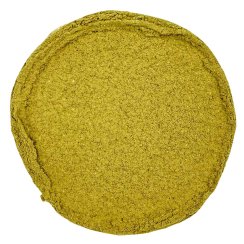
Hunan Golden Flower Hei Cha Powder | Hun Nan Jin Hua Hei Cha Fen
8,04 € excl. VAT
Alternative products3

Huangshan Matcha | Huang Shan Mo Cha
8,04 € excl. VAT
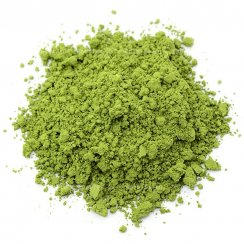
Hangzhou Matcha 500 g | Hang Zhou Mo Cha
63,75 € excl. VAT
Culinary Matcha
17,95 € excl. VAT