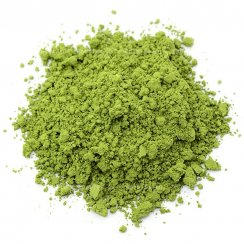

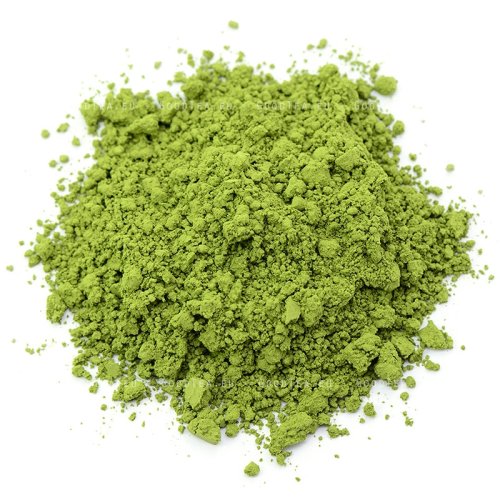
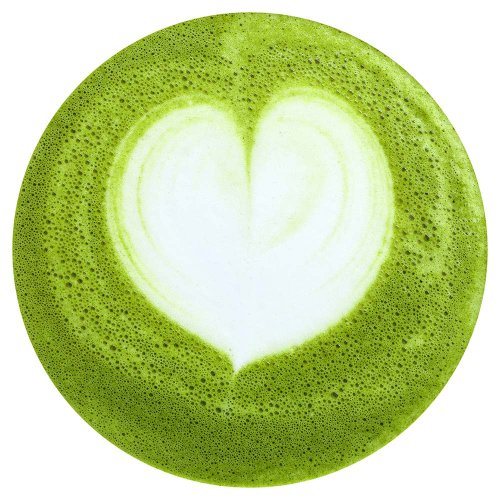


This Chinese matcha comes from the region of Hangzhou 杭州市, a traditional and historically highly esteemed tea-growing area, globally renowned above all for the production of Dragon Well tea (Longjing 龙井). It is precisely here that tea cultivation has maintained centuries-long continuity, with a strong emphasis on the quality of the raw material and processing. More
This Chinese matcha comes from the region of Hangzhou 杭州市, a traditional and historically highly esteemed tea-growing area, globally renowned above all for the production of Dragon Well tea (Longjing 龙井). It is precisely here that tea cultivation has maintained centuries-long continuity, with a strong emphasis on the quality of the raw material and processing.
The matcha is produced from tea plants grown in organic cultivation and, in terms of quality, is fully comparable to Japanese matcha – virtually indistinguishable both visually and in taste. It is characterized by a very fine texture and a clean, balanced flavor profile without disturbing bitterness, with gentle natural sweetness and a fresh vegetal character.
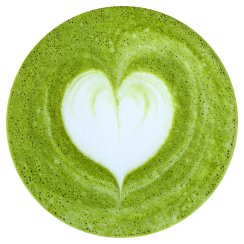
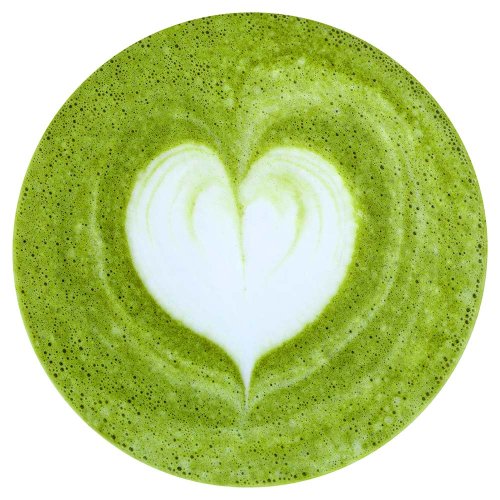
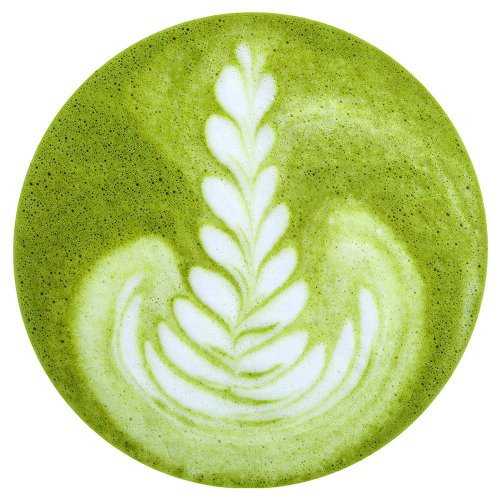
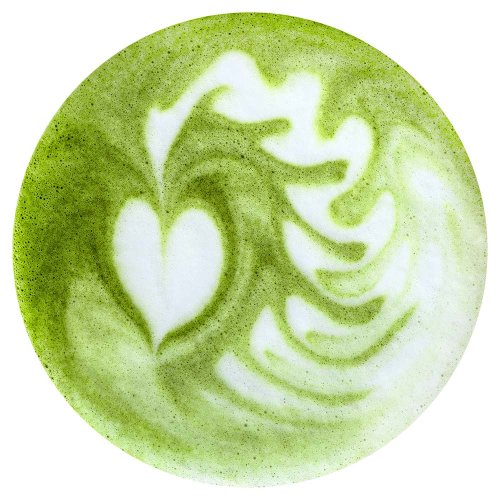
Thanks to its versatility, it is suitable both for the preparation of pure matcha beverages and for flavored variants (matcha latte, iced drinks, smoothies). At the same time, it is ideal for food applications – including confectionery, baking, chocolate, ice cream, desserts, and other gastronomic uses.
Packaged in a practical 500 g doypack, it is particularly suitable for cafés, gastronomy, manufacturers, as well as demanding home use.
| Form | powder tea |
|---|---|
| Country of origin | China |
| Province | Zhejiang 浙江 |
| Location | Hangzhou 杭州市 |
| Cultivar | Jiu Keng Zhong 鸠坑种 |
| Organically grown | Yes |
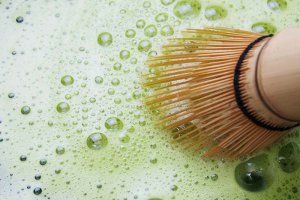
Powdered Tea in China – From Imperial Tea Cakes to a Forgotten Art
When we speak about powdered tea today, most of the world thinks of Japanese matcha. In reality, however, this is a tradition that has its roots in China—deep in history, reaching at least as far back as the Tang dynasty (618–907) and culminating during the Song dynasty (960–1279). What we now perceive as a distinctly Japanese culture was once a natural part of Chinese tea life. Powdered tea was neither an exception nor a specialty, but a common way of preparing and experiencing tea—as a beverage that does not separate from the leaf, but rather fully includes it.
Alternative products2
Huangshan Green Tea Powder | Huang Shan Lu Cha Fen
10,45 € excl. VAT
Fuding Jasmine Green Tea Powder | Mo Li Lu Cha Fen
11,61 € excl. VAT