

Yellow tea - Form - powder tea
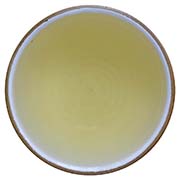
Yellow tea is by far the least common type of Chinese tea. It is a close cousin to green tea, but there is an additional and extremely intricate yellowing process (Men Huang 闷黄) that happens between the kill-green and drying stages, resulting in a slight non-enzymatic oxidation of the tea leaves. After the killgreen stage, the leaves are wrapped in cloth or paper bundles for up to three days. During this process, tea makers keep unwrapping, rewrapping and stirring the leaves. The tea leaves notably obtain a yellowish hue along the way. After the desired level of yellowing is achieved, tea makers finish off by drying the leaves. As with many great inventions, the yellowing process was said to be accidentally discovered, by green tea makers. Tea leaves that were not properly stored, allowing humidity to seep through, subsequently became more oxidized and yellowed. This yellowed tea turned out to be fragrant and richly textured. All teas from Good Tea are authentic orthodox yellow teas which underwent the traditional wrap-yellowing process.
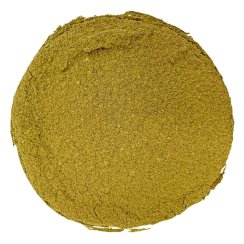
Huangshan Yellow Tea Powder | Huang Da Cha Fen
8,04 € excl. VAT
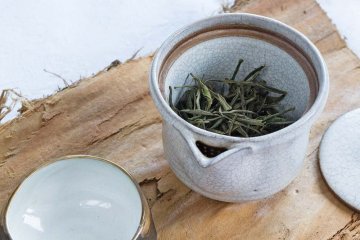
The Nature and Art of Yellow Tea
Among the six great categories of Chinese tea, yellow tea holds a quiet and graceful place. It is a lightly oxidized tea, sharing much of its process with green tea — with one crucial difference: a unique step known as menhuang (闷黄), or “yellowing.” This gentle oxidation softens the sharp freshness of green tea, giving yellow tea its signature golden liquor, mellow sweetness, and warm aroma.

Wild tea harvest for Tan Bei Huo Shan Huang Ya 霍山黃芽
Autumn begins in China. It's time to harvest wild tea trees in Dabieshan 大別山 in western Anhui. Here is the original production site of the famous yellow tea Huo Shan Huang Ya 霍山黃芽.
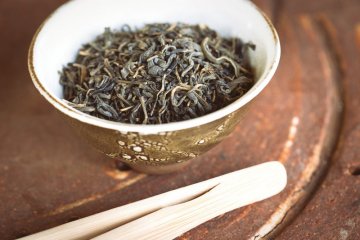
History of Yellow Tea
Yellow tea is a type of tea that is slightly fermented. Its processing is similar to that of green tea, except that a "yellowing (Men Huang 邶黄)" process is added before or after the drying process. Yellow tea has a long history, and the history of its production can be traced back to before the Tang Dynasty (618-907). There are several important stages in its development.