
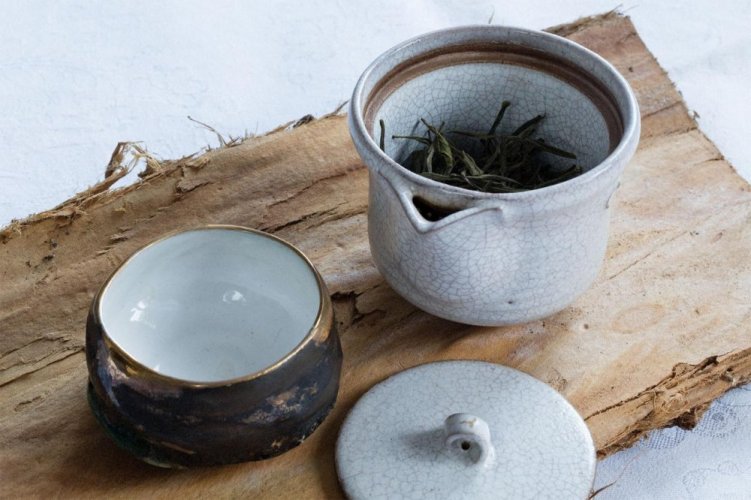
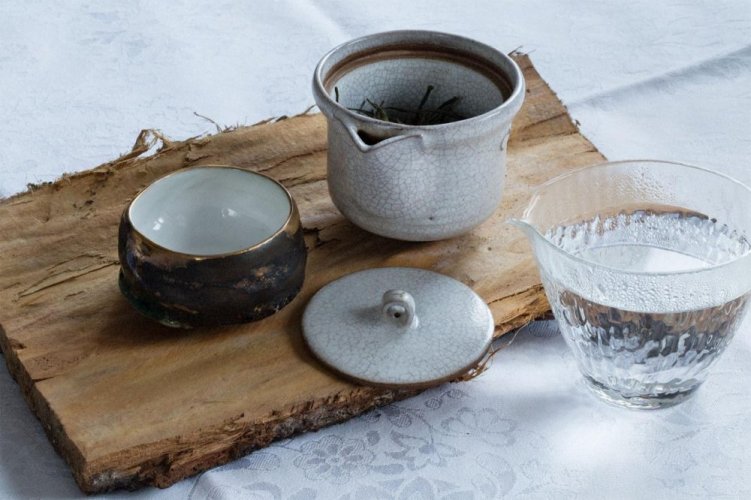
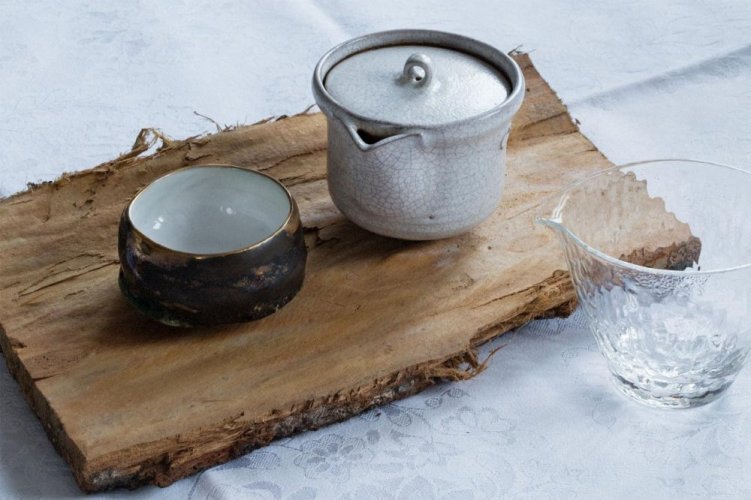
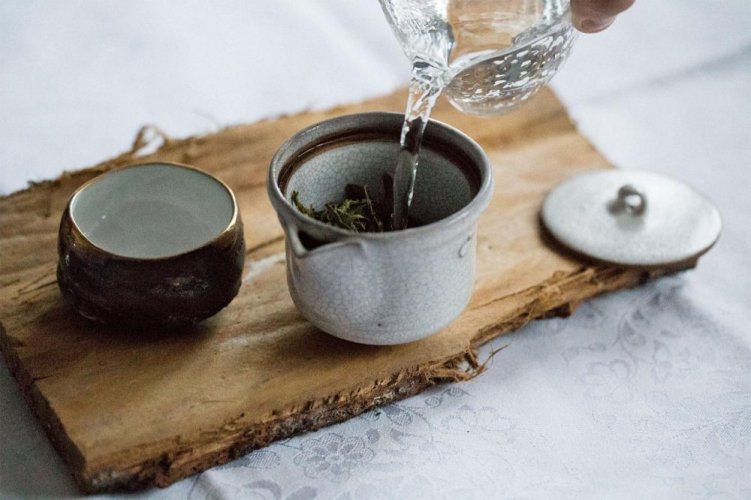
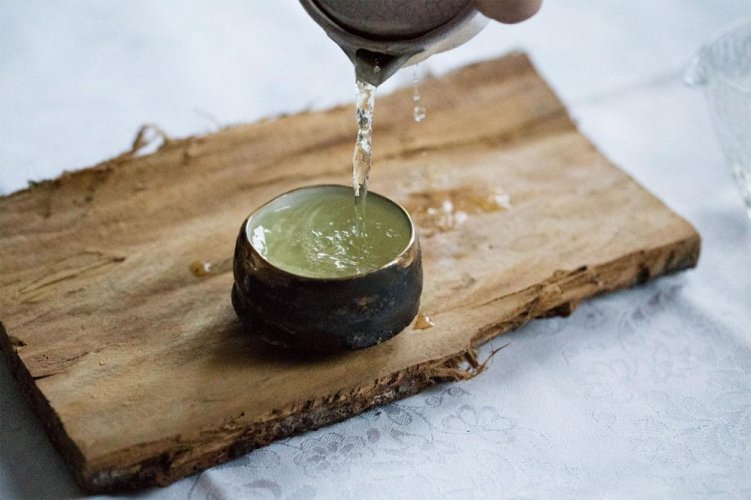
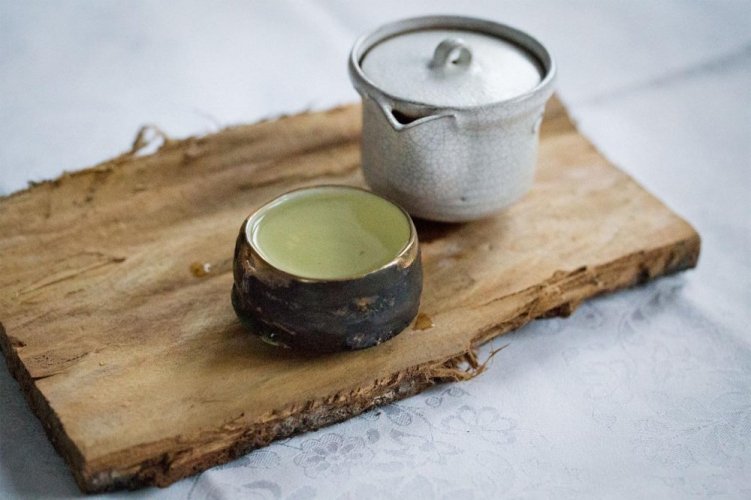
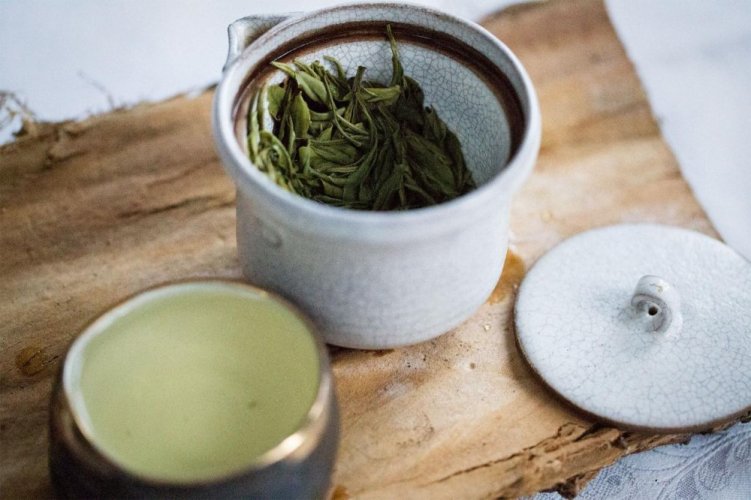


Huo Shan Huang Ya is one of the three famous Chinese Yellow teas, with the other two Meng Ding Huang Ya and Jun Shan Yin Zhen. Huo Shan Huang Ya is produced in the Dabieshan Area in Huoshan County of Anhui Provicne. There is a special local tea cultivar Huoshan Jinjizhong 霍山金鸡种. The Huo Shan Huang Ya is traditionally made by the material form this cultivar. The flavour of this tea is spicy sweet with fruity malty notes, it lingers in your mouth along with traces of sweet stone fruits, giving it a long, smooth finish. More
Huo Shan Huang Ya is one of the three famous Chinese Yellow teas, with the other two Meng Ding Huang Ya and Jun Shan Yin Zhen. Huo Shan Huang Ya is produced in the Dabieshan Area in Huoshan County of Anhui Provicne. There is a special local tea cultivar Huoshan Jinjizhong 霍山金鸡种. The Huo Shan Huang Ya is traditionally made by the material form this cultivar.
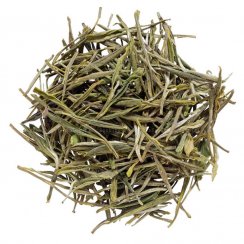
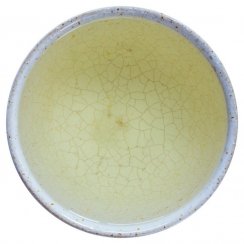
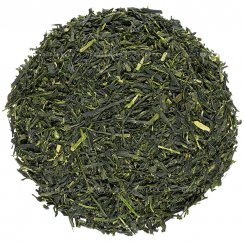
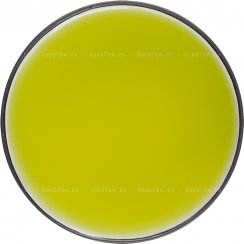
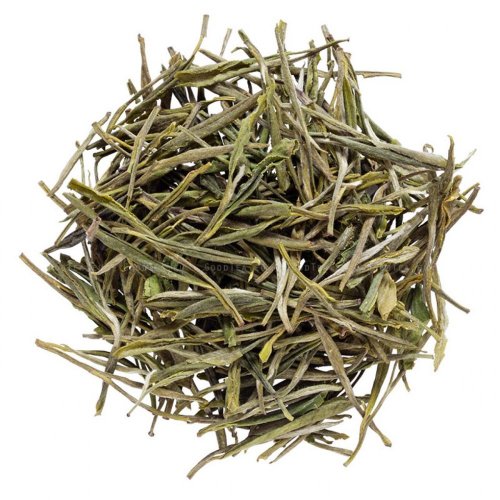
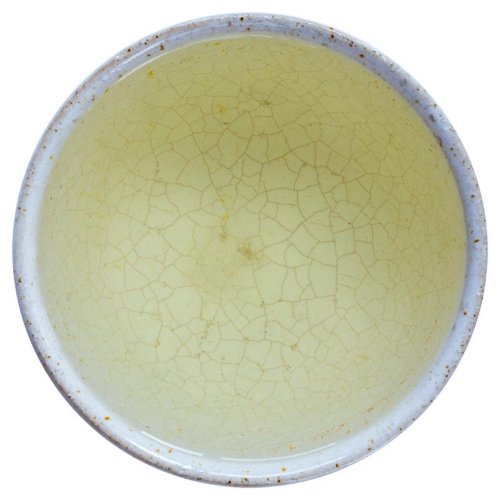
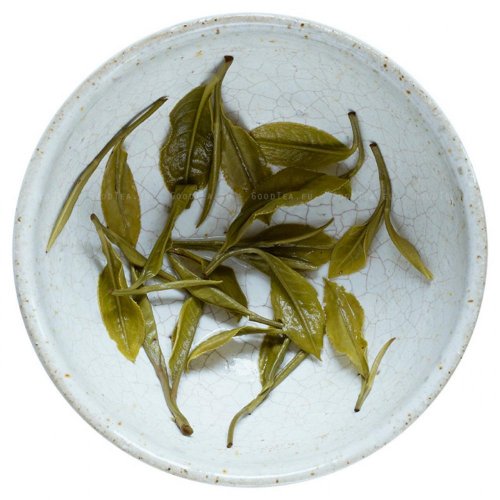
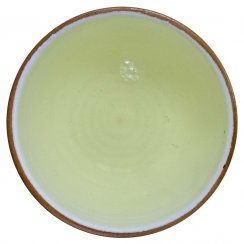
The Huo Shan Huo Ya tea body is yellowish green covered with white hair. The color of a liquor is bright orange, the leaves posses strong flowery fragrance. The flavour is spicy sweet with fruity malty notes, it lingers in your mouth along with traces of sweet stone fruits, giving it a long, smooth finish. While it still has some vegetal flavours similar to green teas, the profile is very smooth and lacking in any grassy astringency of green tea. It has umami vegetal notes that are a little sweet and a little savoury at the same time with just a hint of roasted and nutty notes.
In the east of China at a height of 2347m above sea level lies the high mountain range of Huo Shan, which since time immemorial is one of the locations for the production of the best quality teas. For a very long time under the reign of the Ming and Qing dynasties Huo Shan Huang was an emperor’s tea. The tea is cultivated, harvested and processed by traditional procedures, which reportedly resulted in the fact that at the beginning of the 20th century only very few people knew how to process this tea, and with their departure the knowledge necessary for traditional processing was lost. Thankfully around 1970 documents were found which describe the entire process of cultivation, harvesting and processing of this exceptional yellow tea, which boasts several victories in competitions such as the Commercial Products of Good Quality (1991), China's Tea Cup (1999) and others.
History of Yellow Tea
Yellow tea is a type of tea that is slightly fermented. Its processing is similar to that of green tea, except that a "yellowing (Men Huang 邶黄)" process is added before or after the drying process. Yellow tea has a long history, and the history of its production can be traced back to before the Tang Dynasty (618-907). There are several important stages in its development.
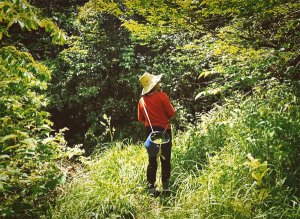
Wild tea harvest for Tan Bei Huo Shan Huang Ya 霍山黃芽
Autumn begins in China. It's time to harvest wild tea trees in Dabieshan 大別山 in western Anhui. Here is the original production site of the famous yellow tea Huo Shan Huang Ya 霍山黃芽.
Alternative products2
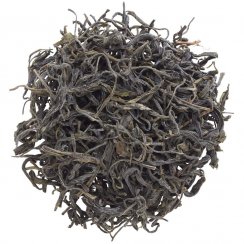
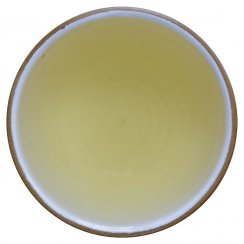
Traditional Yellow Wild Tree Huang Da Cha | Huo Shan Huang Da Cha
13,84 € excl. VAT
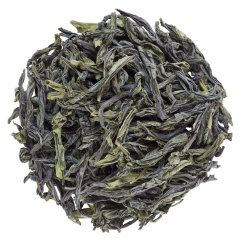
Melon Seeds | Liu An Gua Pian
15,80 € excl. VAT