
Autumn Black Nepal Chabbesey Moonlight - Option: 50 g
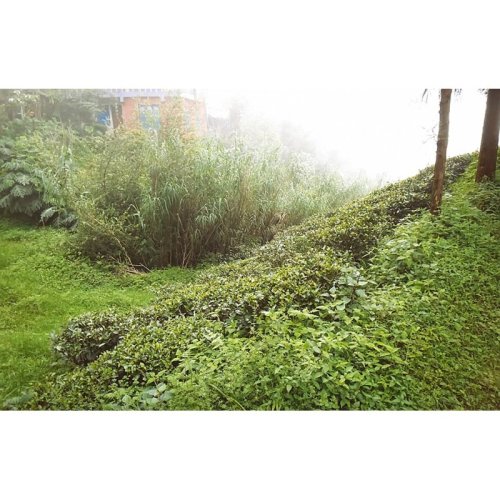
Located in Nepal on the border of Darjeeling, the village of Chabbesey is a modest place of nature and diversity. The tea plants are grown at even higher altitudes than Darjeeling, producing very fragrant, flavorful teas that can match the famed level of tea quality from Darjeeling. There is a wondrous micro-factory housed in one of homes. This factory has the capacity to produce about 10,000 kilos of made tea grown on a 20 acre plantation. It is family- owned and led by patriarch Ashok Subba. The family had been traditionally growing black cardamom, maize, ginger, turmeric and other cash crops on these lands. Autumn flush begins by the end of October, once the monsoon has withdrawn from the misty hills, the rains tapered off, and the temperatures begun to drop. The tea bushes reduce their output as they move toward hibernation. It is the shortest of the harvests, and lasts just 30 or so days. The liquor has a delicate yet sparkling character with a delightful flavor, distinct from both first flush and second flush with a round cup. The infused leaf has a coppery gold brightness with a sweet fresh nose. That color can run to bright amber, even burgundy. More
Located in Nepal on the border of Darjeeling, the village of Chabbesey is a modest place of nature and diversity. The tea plants are grown at even higher altitudes than Darjeeling, producing very fragrant, flavorful teas that can match the famed level of tea quality from Darjeeling. There is a wondrous micro-factory housed in one of homes. This factory has the capacity to produce about 10,000 kilos of made tea grown on a 20 acre plantation. It is family- owned and led by patriarch Ashok Subba. The family had been traditionally growing black cardamom, maize, ginger, turmeric and other cash crops on these lands.
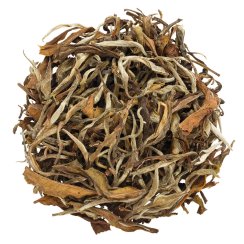
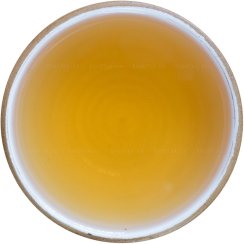
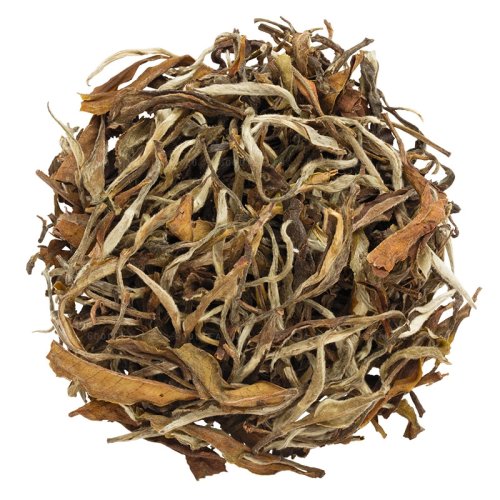
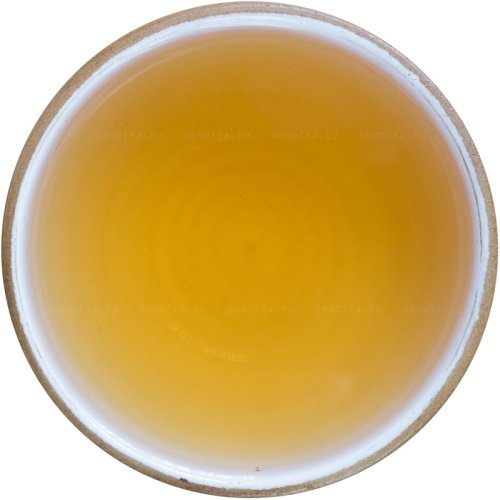
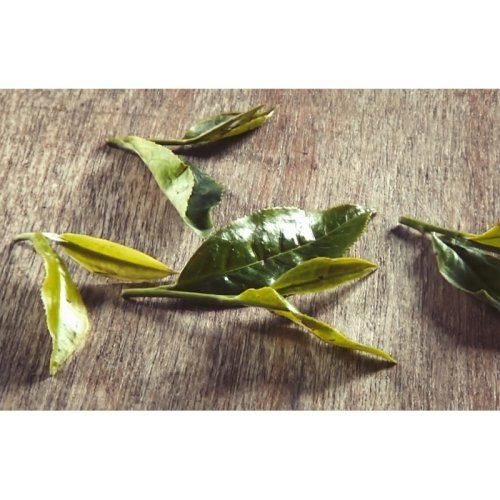
Autumn flush begins by the end of October, once the monsoon has withdrawn from the misty hills, the rains tapered off, and the temperatures begun to drop. The tea bushes reduce their output as they move toward hibernation. It is the shortest of the harvests, and lasts just 30 or so days. The liquor has a delicate yet sparkling character with a delightful flavor, distinct from both first flush and second flush with a round cup. The infused leaf has a coppery gold brightness with a sweet fresh nose. That color can run to bright amber, even burgundy.
"If there is one word I would use to characterize these teas, it would be well-balanced," says Jai Kejriwal, whose family has owned Jungpana since acquiring it from the Nepalese royal Rana family in 1956. "The teas have no sharpness, bite or astringency that typifies first and second flush teas."
Lucas
Positives- Slightly reminiscent of Silver Needle in both smell and taste, or even slightly similar to yellow teas. I'd say this is somewhere between a black ...more
Positives- Slightly reminiscent of Silver Needle in both smell and taste, or even slightly similar to yellow teas. I'd say this is somewhere between a black and a yellow tea.
- The description is correct that it is a balanced tea, and not astringent or bitter at all.
Negatives- Not exactly a negative, but it's mostly a hay/grassy taste, and if that's not to your preference, it could be a negative. But if you liked Silver ...more
Negatives- Not exactly a negative, but it's mostly a hay/grassy taste, and if that's not to your preference, it could be a negative. But if you liked Silver Needle, or other yellow teas generally speaking, you will most likely enjoy this, and it's worth trying.