

TCM - Country of origin - China
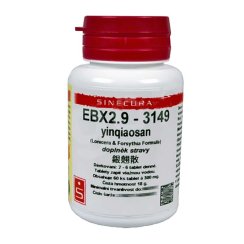
002 YIN QIAO SAN - EBX2.9-3149 - Honeysuckle & Forsythia Powder
19,37 € excl. VAT
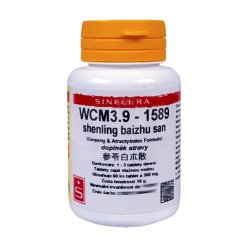
105 SHEN LING BAI ZHU WAN - WCM3.9-1589 - Ginseng, Poria & Atractylodes Pill
19,37 € excl. VAT
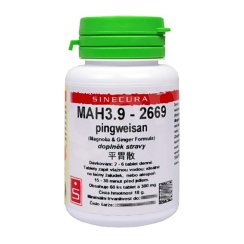
076 PING WEI SAN - MAH3.9-2669 - Calm the Stomach Powder
16,52 € excl. VAT
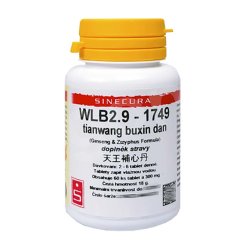
121 TIAN WANG BU XIN DAN - WLB2.9-1749 - Heavenly Emperor’s Heart-Nourishing Pill
19,37 € excl. VAT
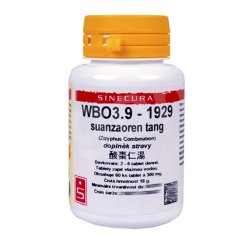
127 SUAN ZAO REN TANG - WBO3.9-1929 - Sour Jujube Seed Decoction
19,37 € excl. VAT
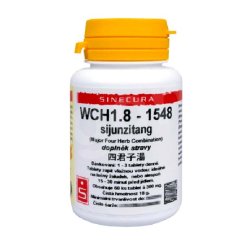
151 SI JUN ZI TANG - WCH1.8-1548 - Decoction of the Four Noble Ones
19,37 € excl. VAT
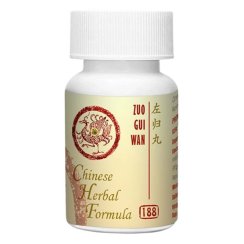
188 ZUO GUI WAN – Reflection of the Starry Sky
8,93 € excl. VAT
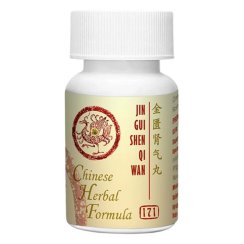
171 JIN GUI SHEN QI WAN – Secret of the Golden Cabinet
8,93 € excl. VAT
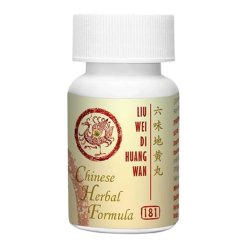
181 LIU WEI DI HUANG WAN – Six-Ingredient Pill
8,93 € excl. VAT
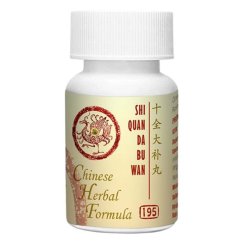
195 SHI QUAN DA BU WAN – Ten Supporting Pillars
8,93 € excl. VAT
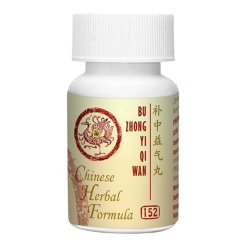
152 BU ZHONG YI QI WAN – Tiger’s Spring
8,93 € excl. VAT
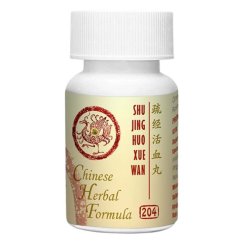
204 SHU JING HUO XUE WAN – Crossroads of Dragon Veins
8,93 € excl. VAT
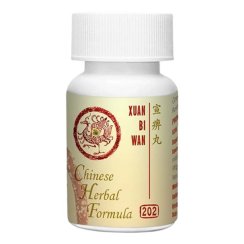
202 XUAN BI WAN – Heat of the Burning Furnace
8,93 € excl. VAT
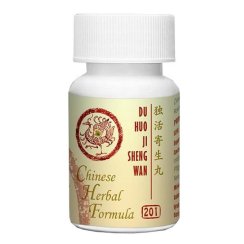
201 DU HUO JI SHENG WAN – Palace Pillar Strength
8,93 € excl. VAT
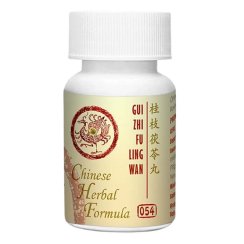
054 GUI ZHI FU LING WAN – Clearing Stones from the Path
8,93 € excl. VAT
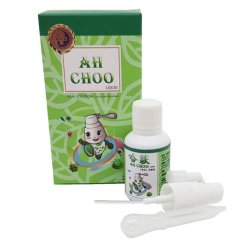
AH CHOO - Morning Dew Caress – Herbal Spray for Mucosal Care - 20 ml
17,93 € excl. VAT
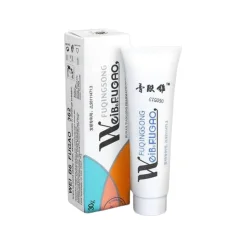
WEI FU GAO – Regenerating Herbal Cream for Soothing Itchy Skin
13,47 € excl. VAT
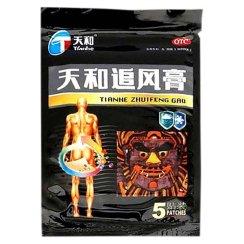
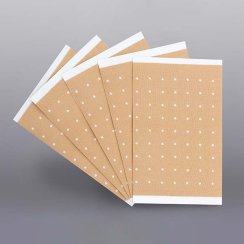
TIAN HE ZHUI FENG GAO – Warming Relief – Herbal Patch - 5 pcs
7,93 € excl. VAT
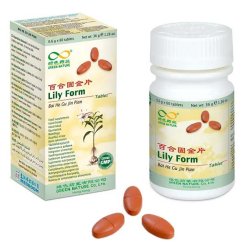
131 BAI HE GU JIN PIAN | Lily Form - Lung Yin Nourishment and Moistening
13,57 € excl. VAT
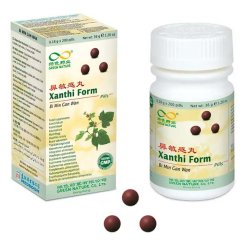
007 BI MIN GAN WAN | Xanthi Form - Nasal Passage Harmony
13,57 € excl. VAT
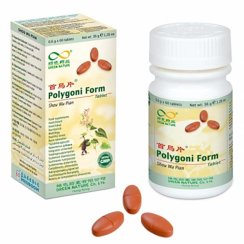
163 SHOU WU PIAN | Polygoni Form - Essence and Vitality Support
13,57 € excl. VAT
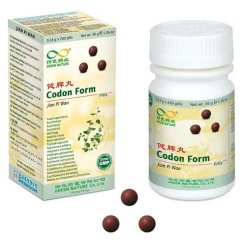
077 JIAN PI WAN | Codon Form - Spleen and Digestive Harmony
13,57 € excl. VAT
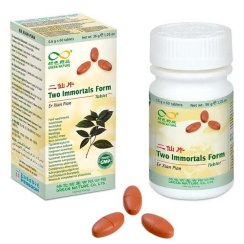
068 ER XIAN PIAN | Two Immortals Form - Kidney Yin and Yang Harmony
13,57 € excl. VAT
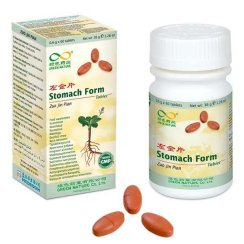
015 ZUO JIN PIAN | Stomach Form - Liver and Stomach Harmony
11,52 € excl. VAT
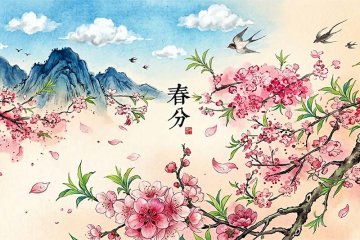
Chunfen 春分 | Between Yin and Yang – the Quiet Beginning of Spring
Every year, around March 20, there comes a moment that is almost invisible at first glance — and yet essential. In Europe, we perceive it as the first true day of spring, the time when light begins to clearly return and the days grow longer. In traditional Chinese culture, this moment has its own name and deeper meaning: 春分 (Chūnfēn), the Spring Equinox. Day and night are equal, yin and yang briefly come into balance. It is not the victory of one force over another, but a quiet point of equilibrium from which movement begins.
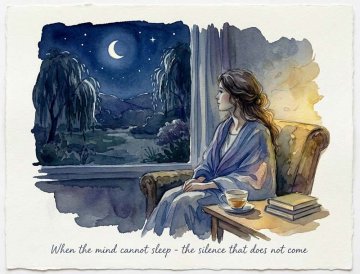
When the Mind Cannot Fall Asleep – The Silence That Does Not Come
Sometimes the problem is not that we are not tired. On the contrary — the body longs to rest, but the mind keeps going. It returns to conversations that have already taken place, replays situations that can no longer be changed, and creates new scenarios that may never happen. While the world around us grows quiet, something inside lights up. In Traditional Chinese Medicine, this state is described as 心神不宁 (xīn shén bù níng) — the spirit is not at rest.
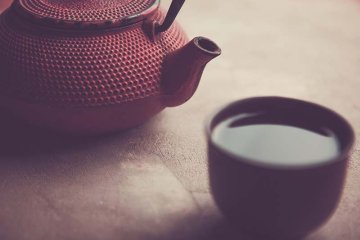
Tea and Health: Traditional Chinese Perspectives and Cultural Wisdom
Tea has been part of East Asian culture for thousands of years. Beyond its aroma and taste, it has traditionally been associated with balance, longevity, and harmony with nature. In Chinese culture and in the framework of Traditional Chinese Medicine (TCM), tea is often viewed as a drink that supports everyday wellbeing when enjoyed regularly and in moderation.
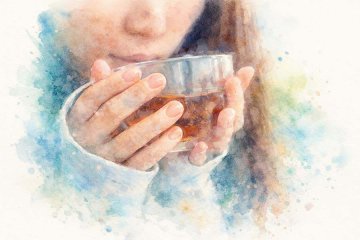
When Fire Seeks Water
Desire is like steam rising from a cup.
At first you barely notice it – a light mist above the surface.
Then it lifts, thickens, veils your face, enters your lungs.
And suddenly it cannot be ignored.
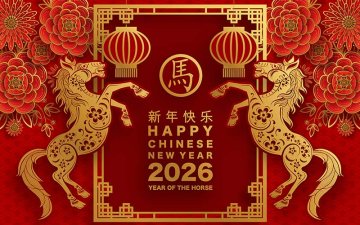
Flame on the Back of the Wind: The Story of the Year of the Fire Horse (bing-wu 丙午)
When the Laba Festival (腊八) fades in the Chinese calendar, it is said that the New Year is already standing at the door. In the sixty-year cycle of Heavenly Stems and Earthly Branches, the combination 丙午 (bing-wu) arrives – a year traditionally known as the Fire Horse. The Heavenly Stem “丙” belongs to yang Fire, while the Earthly Branch “午” corresponds to the Horse and is itself associated with the element of Fire within the system of 五行 (wu xing). Fire is therefore multiplied here – forming the image of a “double flame,” an energy that shines, warms, and burns.
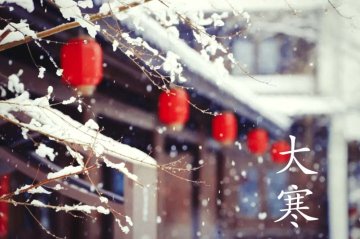
Great Cold 大寒 – Winter Holding the Breath of Spring
Around January 20, when the Sun reaches 300° ecliptic longitude, the Chinese calendar enters a period known as Great Cold (大寒, Dàhán). It is the last of the 24 solar terms — the coldest point of the year and at the same time a quiet threshold of a new beginning. Winter is taking its leave; spring is only just beginning to breathe. The twenty-four solar terms arose from observing the sky, the landscape, and the rhythms of life. Much like tea. The planting, harvesting, processing, and drinking of tea naturally intertwine with these periods. Each of them gives tea a distinct character, flavor, and effect. Tea thus becomes not only a beverage, but a guide through the year.
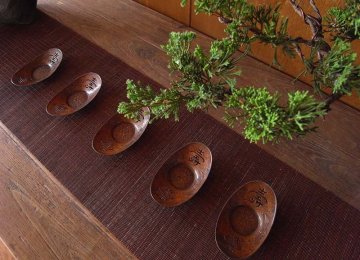
Tea and Body Constitution in Traditional Chinese Thought
Ancient texts often connect tea with health. For example, the Bencao Yanyi records a story: “Shennong tasted hundreds of herbs daily and encountered 72 poisons, which he neutralized with tea.” In traditional Chinese medicine (TCM), tea is considered both a drink and a medicinal herb. Because each person’s body is different, and each tea has its own nature and flavor, choosing the right tea for your constitution is seen as a way to support balance more effectively.

Eurotium cristatum (Golden Flower)
Eurotium cristatum (E. cristatum), commonly known as “golden flower”, is the dominant strain in the microbial fermentation process of Fu brick tea. E. cristatum has favorable biological characteristics, including enzyme production, antimicrobial properties, immune regulation, antitumor properties, fat reduction capabilities, and weight loss benefits. With its probiotic characteristics, E. cristatum can be combined with different varieties of tea substrates to make a variety of fermented teas. More importantly, in the process of tea fermentation, E. cristatum can secrete a variety of extracellular enzymes, including some hydrolytic enzymes and oxidoreductases. They metabolize and transform various chemical components in tea through a series of reactions such as oxidation, degradation, and condensation, which significantly affect the quality of tea.
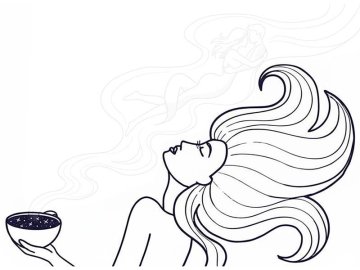
Tea and Women’s Health in Traditional Chinese Medicine
For thousands of years, tea (茶 chá) has been more than just a beverage in China—it has been a daily companion, a ritual of hospitality, and a cornerstone of Traditional Chinese Medicine (中医 zhōng yī). Within this tradition, tea is not only appreciated for its flavor or its calming effect but also for its influence on balance, vitality, and beauty. TCM looks at tea through the lens of yin and yang, warmth and coolness, stimulation and nourishment. For women in particular, tea drinking is interwoven with health advice that spans generations.

Fudan professor Li Hui 李辉 uses science to explain the meridians in tea
Professor Li has long dedicated himself to the study of tea. Fudan University was the first university in China to establish a Tea Studies Department 茶学系, nurturing many of the modern backbone figures in China’s tea industry. Its first director was the famed modern tea master Wu Juenong 吴觉农. Early in his career, Professor Li studied under Tan Jiazheng 谈家桢, the founding father of the Shanghai Tea Association 上海茶叶学会, pioneer of Chinese genetics, and president of Fudan’s School of Life Sciences, combining life sciences with the study of traditional Chinese tea culture.
Advisor
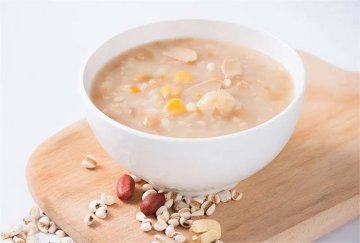
How to deliciously prepare Job's tears (Yi Yi Ren 薏苡仁)
In China, a decoction of the Job's tears (YiYi Ren 薏苡仁) has always been considered very healing for seriously ill patients. Chinese medicine describes a so-called slime-like soup that reliably works for stomach and intestinal weakness, binds toxins from metabolism and supports liver function. Holistic medicine considers Job's tears to be a food that can soften and emollient, which is why they are said to help release animal fats and hardened deposits of harmful substances from the body, reduce "bad" cholesterol and women in particular will appreciate its beneficial effect on the skin, which it keeps soft and supple. According to TCM, it even protects against skin inflammation and slows down the graying of hair. During the childhood, we will appreciate its effect in treating warts.