
Autumn Tie Guan Yin from Daiyunshan | Han Lu Qing Xiang Tie Guan Yin - Option: 1 kg
Autumn Tie Guan Yin is a lightly oxidized oolong from the mountainous area of Dàiyúnshān in Dehua County, Fujian Province, China. The tea was harvested in late autumn after the solar term 寒露 (Hánlù), or “Cold Dew”, and processed in the fresh, lightly oxidized Qīngxiāng style. It stands out for its pure floral fragrance, smooth texture and long, naturally sweet aftertaste. More
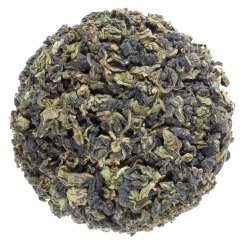
Autumn Tie Guan Yin 铁观音 (Tiěguānyīn) is a lightly oxidized oolong from the mountainous area of 戴云山 (Dàiyúnshān) in Dehua County, Fujian Province, China. The tea was harvested in late autumn after the solar term 寒露 (Hánlù), or “Cold Dew”, and processed in the fresh, lightly oxidized 清香 (Qīngxiāng) style. It stands out for its pure floral fragrance, smooth texture and long, naturally sweet aftertaste.
The 戴云山 (Dàiyúnshān) area lies in the mountainous landscape of 德化 (Déhuà) County in central Fujian Province. The local tea gardens are surrounded by forests, mountain streams and rugged slopes. The cooler mountain climate, frequent mist and pronounced differences between daytime and night-time temperatures slow the growth of the leaves and encourage the development of a clean, aromatic character.
The tea was harvested after the solar term 寒露 (Hánlù), which falls around the beginning of October in the traditional Chinese calendar and marks the arrival of the cooler part of autumn. At this time, the nights are noticeably colder, the air is drier and the tea plants grow more slowly. Autumn leaves therefore offer a different character from the spring harvest: they generally have a lighter body but a more pronounced and clearly defined fragrance. This quality is expressed by the traditional tea saying, “Spring brings flavour, autumn brings fragrance.”
The tea is processed as 清香铁观音 (Qīngxiāng Tiěguānyīn), a fresh, lightly oxidized style of Tie Guan Yin. After withering, the leaves are repeatedly shaken and allowed to rest, gradually developing their floral fragrance. Oxidation is then halted, after which the leaves are rolled and gently dried. Unlike more traditionally roasted styles, this tea does not undergo heavy final roasting, allowing it to retain its fresh green character, bright aroma and lively texture.
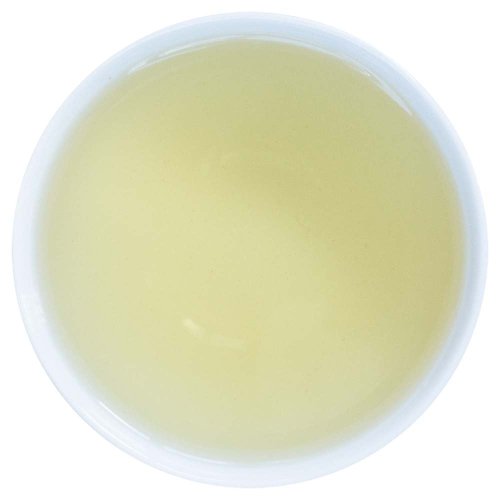
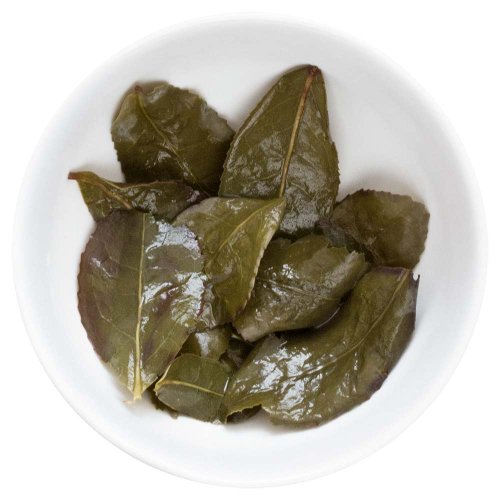
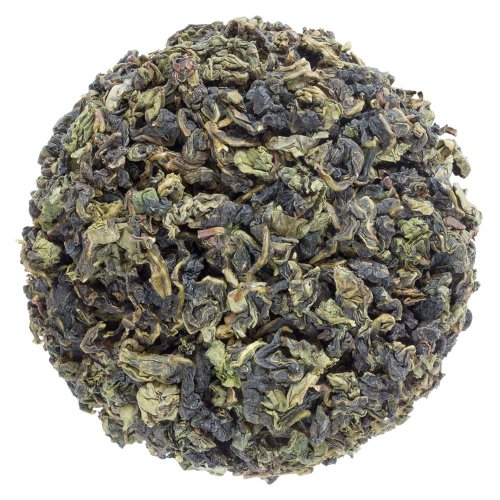
The tightly rolled, deep green leaves gradually unfurl during steeping, producing a clear, pale yellow to yellow-green liquor. The aroma reveals orchids, white flowers, fresh herbs and delicate notes of unripe fruit. The taste is smooth, fresh and juicy, with gentle creaminess and pronounced floral sweetness. A characteristic mineral note gives the liquor clarity and structure without disturbing its delicate character.
With subsequent infusions, the initial freshness gradually becomes rounder. The floral notes develop into sweeter nuances reminiscent of flower nectar, sugar snap peas and delicately buttery pastry. A long, cooling and naturally sweet aftertaste known as 回甘 (huígān) remains in the mouth. The late autumn harvest gives the tea an expressive fragrance and a calm, refined character that develops beautifully over repeated infusions.
Flavour profile: Orchids, white flowers, flower nectar, fresh herbs, unripe fruit, sugar snap peas, gentle creaminess, light minerality and a long, sweet, cooling finish.
Preparation using the 功夫茶 (Gōngfūchá) method: We recommend using approximately 5–6 g of tea per 150 ml of water at 85–90 °C. Steep the first infusion for 15–25 seconds and gradually extend the steeping time for subsequent infusions. The tea usually provides approximately 6–8 infusions. A fresh floral fragrance dominates the first infusions, while the creamy texture, mineral notes and long natural sweetness become more prominent later.
Western-style preparation: We recommend using approximately 3 g of tea per 250 ml of water at 85–90 °C. Steep for 2–3 minutes. The tea can be infused repeatedly; extend the steeping time accordingly for subsequent infusions.
| Processing | Qing Xiang 清香 |
|---|---|
| Country of origin | China |
| Province | Fujian |
| Location | Dehua, Daiyunshan 戴云山 |
| Altitude | 800-1000 m |
| Cultivar | Tie Guan Yin 铁观音 |
| Organically grown | Yes |